Understanding cat behavior
Living with a cat becomes much easier when you start reading the signals they give you.
Cats communicate through body language, sounds, and small, specific movements. Once you begin to notice these patterns, everyday situations start to make more sense.
You’ll know when your cat wants space, when it feels safe, and when it’s asking for attention.
Body language
Body language is your cat’s main way of communicating.
Small changes in the tail, ears, or eyes can tell you a lot about how your cat feels in a given moment.
Tail
The tail is one of the clearest indicators of mood.
- Upright tail – relaxed, confident, often happy to see you
- Slightly curved or soft movement – curious and engaged
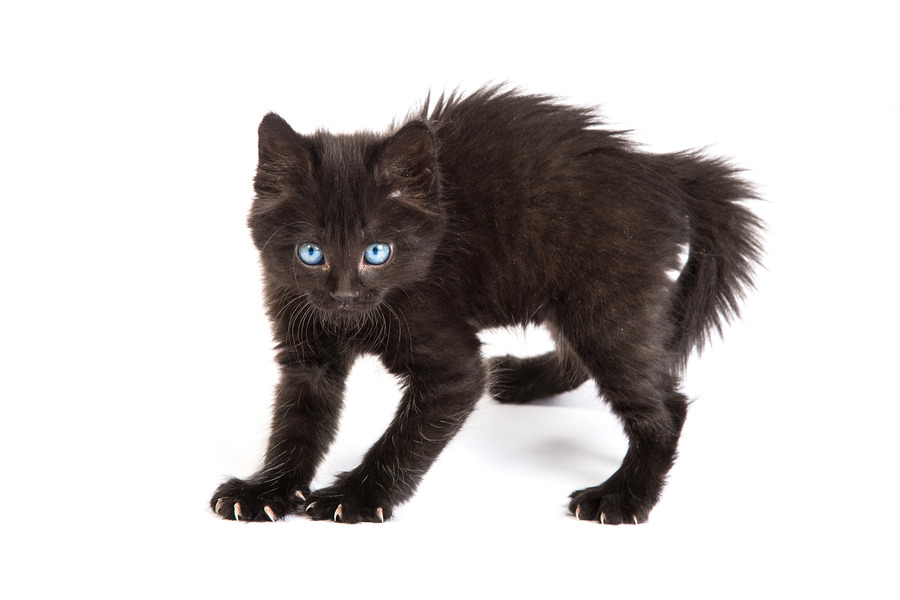
- Puffed-up tail – fear or strong tension
- Fast tail flicking – irritation or overstimulation
You’ll often see tail flicking during petting when the cat has had enough, even if it seemed calm just seconds before.
Eyes
Eye contact in cats works differently than in people.
- Slow blinking – trust and comfort
- Wide pupils – excitement, fear, or playfulness depending on context
- Steady, unblinking stare – tension or a defensive response
A slow blink is one of the easiest ways to build trust. Many cats will blink back when they feel safe.
Ears
Ears react quickly to changes in the environment.
- Forward-facing ears – alert, curious
- Ears turned back – discomfort or fear
- Ears slightly to the side – uncertainty or nervousness
When ears flatten completely, it’s a clear sign the cat feels threatened and needs space.
Vocal communication
Cats also use sound to express themselves, especially around people.
Over time, you’ll start to recognize patterns in your cat’s voice.
Meowing
Cats mostly meow to communicate with humans.
- Short meow – greeting or asking for attention
- Repeated or longer meow – insisting on something, often food or access
- Soft, quiet meow – content or gently seeking interaction
Each cat develops its own “style,” so the meaning becomes clearer with time.
Purring
Purring is usually associated with comfort, but not always.
- During rest – relaxed, feeling safe
- During stress or discomfort – self-soothing
If a cat is purring but also hiding, tense, or inactive, it’s worth paying attention to the bigger picture.
Hissing and growling
These are clear warning signals.
- Hissing – fear, need for distance
- Growling – stronger warning, discomfort or threat
When you hear these sounds, the best response is to step back and give space.
Movement and behavior
Beyond posture and sound, cats express themselves through repeated behaviors that are easy to recognize once you notice them.
Rubbing
Rubbing is a normal and positive behavior, related to:
- Marking territory with scent
- Showing affection
- Seeking attention
When your cat rubs against you, it’s not random. It’s a sign of familiarity and trust.
Scratching
Scratching serves several purposes.
- Maintaining claws
- Marking territory
- Stretching muscles
This is why scratching surfaces are essential. Without them, furniture becomes the alternative.
“Kneading
Kneading often looks like a gentle “pushing” motion with the paws.
It starts in kittenhood and can continue into adulthood.
Cats usually knead when they feel safe and comfortable. It’s often seen during quiet moments, like settling down to rest.
Why understanding behavior matters
When you understand how your cat communicates, daily life becomes smoother.
You react earlier. You avoid unnecessary stress. You create an environment where your cat feels secure.
A cat that feels understood is calmer, more confident, and more open to interaction.
Over time, these small observations build something bigger — trust, routine, and a steady connection that feels natural for both of you. 🐾